Read from the surface inward
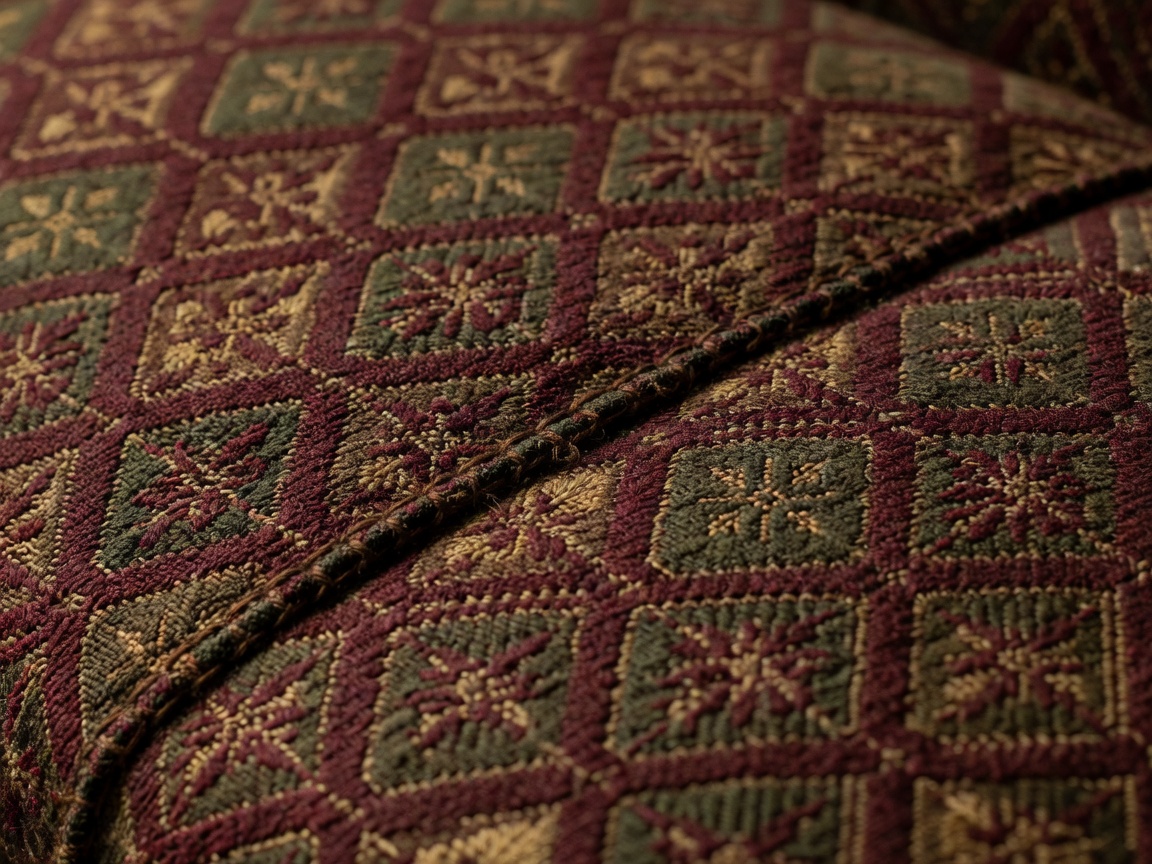
Passenger seating carries the accumulated consequences of bodies, vibration, light, dust and repeated maintenance. A faded face and a darker fold do not necessarily represent two fabrics. Equally, a convincing period pattern may be a recent reproduction. Begin with a description of what can actually be observed: weave, pile, seams, fastening positions and the distribution of wear.
Photograph the seat in its compartment before moving it. Record its orientation, adjacent fittings and any identification marks. A left-hand armrest and a right-hand armrest may appear interchangeable until mounting details prove otherwise. If removal is justified, give the frame and each separated part linked identifiers. Unlabelled cushions can lose their historical context within a single afternoon.
What lies below the cover
Webbing, springs, stitched foundations, stuffing and frame joints work together to support a passenger. A collapsed area may result from broken support rather than worn filling. Adding more material above it can disguise the symptom and change the original profile. A textile conservator and an upholsterer experienced in historic structures may need to assess the assembly together.
Access should be planned rather than assumed. Removing tacks can tear a brittle edge or destroy a sequence of earlier fixing holes. Those holes may reveal several recoverings, although their order usually needs corroboration. When dismantling is necessary, photograph each layer before lifting it and record the position and orientation of retained samples. Do not identify animal fibres, plant fibres or degraded foams solely by touch.
Decide whether the seat must work
A museum seat protected from sitting has a different brief from one intended for regular passenger service. The first may retain fragile original fabric with local support and controlled access. The second must satisfy the structural, fire-safety and operational requirements applicable to the vehicle and its authorisation. Historic appearance does not exempt an operating interior from a competent safety assessment.
EN 45545-2 addresses the fire behaviour of materials and components in railway vehicles, but its applicability to a particular heritage operation must be established by the responsible specialists and authorities. A supplier’s fabric certificate is not, by itself, approval of a complete seat assembly. Covers, barriers, foams and supports may interact, and the tested arrangement matters.
Retain evidence when replacement is necessary
Sometimes a new cover or a separate service cushion is the most defensible way to protect vulnerable material while allowing use. That decision should be explicit. Record why continued use of the historic component was unacceptable, where retained material is stored and how the replacement differs. A reproduction can be excellent craft without becoming original fabric.
Pattern selection deserves the same discipline. A small surviving fragment may establish a repeat but not the full colour balance. Black-and-white photographs can show scale and placement without resolving hue. Railway company specifications, supplier archives and securely dated fragments should be weighed together. The surviving evidence may justify a range of possibilities rather than a single confident reconstruction.
| Future use | Possible approach | Important limit |
|---|---|---|
| Protected display | Support and retain vulnerable historic upholstery | Prevent accidental sitting and monitor deterioration |
| Occasional interpreted access | Define supervised use and protective measures | Assess cumulative wear, not only a single event |
| Passenger operation | Design and assess a serviceable assembly | Obtain the necessary technical and operational acceptance |
Care after the last stitch
Light exposure, handling and cleaning can shorten the life of an otherwise sound treatment. Establish which areas may be touched, who may clean the textile and what signs require work to stop. Loose threads should not be trimmed simply because they catch the eye. They may belong to a failing seam or a structurally important stitched foundation.
The National Trust’s conservation resources and the Canadian Conservation Institute’s guidance provide useful context for preventive textile care. Railway collections such as the Bluebell Railway and the Severn Valley Railway offer a reminder that preservation also happens within active workshops. Their work is context, not a transferable approval. Each carriage still needs a documented decision about the balance between fabric, access and service.
Unknown stuffing, dust, pest residues and historic treatments may be hazardous. Isolate concerns and obtain appropriate advice before disturbing an upholstered assembly.